
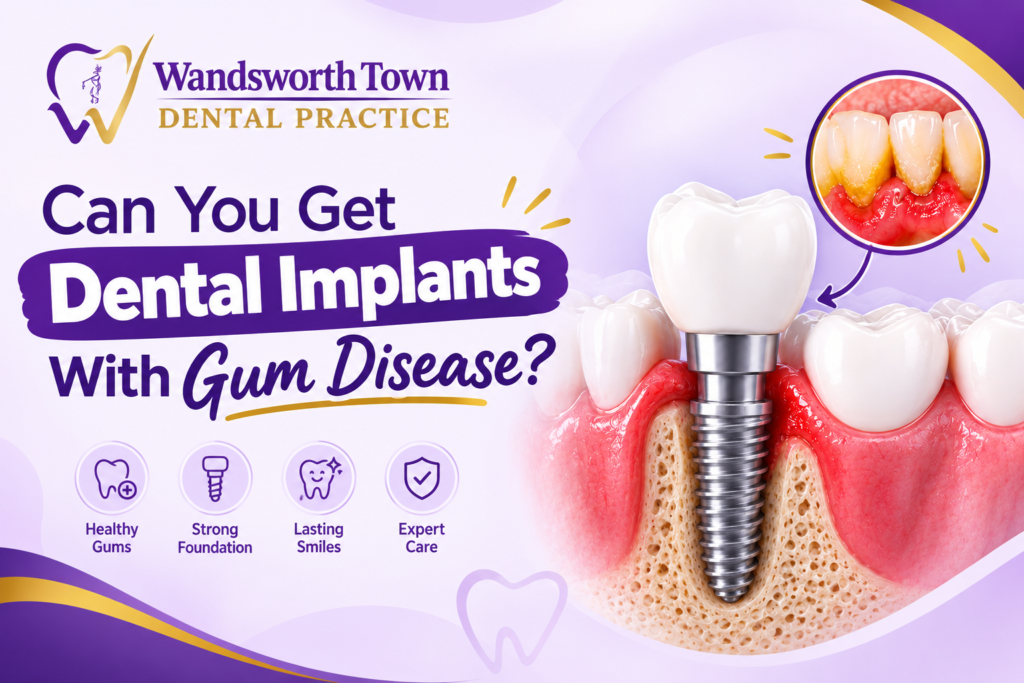
Can You Get Dental Implants With Gum Disease?
If you have lost a tooth and have gum disease, you may wonder if you can still get a dental implant. The good news is that gum disease does not always prevent you from having an implant. However, your dentist will need to check your gums and jawbone before starting treatment.
Active gum disease can damage the gums and bone around your teeth. Therefore, your dentist may recommend treating the gum disease first before considering a dental implant.
What Are Dental Implants?
Dental implants are small posts place in your jawbone to replace missing tooth roots. Once the implant heals, your dentist can attach a crown, bridge, or other tooth replacement to restore the missing tooth.
Dental implants can offer a stable and natural-looking way to replace missing teeth. However, healthy gums, strong bone support, good oral hygiene, and careful planning are important for a successful treatment.
Can You Have Dental Implants If You Have Gum Disease?
You may still be able to get dental implants if you have had gum disease in the past. However, your dentist will usually treat any active gum disease before placing the implant.
Gum disease can cause swelling and damage to the tissues that support your teeth. In more serious cases, it can also cause bone loss.
Dental implants need healthy gums and strong supporting bone. Therefore, untreated gum disease may increase the risk of problems around the implan
Therefore, your dentist will assess your gum health before recommending implant treatment.
Why Does Gum Disease Matter for Dental Implants?
Healthy gums play an important role in supporting your teeth and dental implants.
If gum disease is not treat, bacteria and inflammation can affect the tissues around an implant. As a result, this may increase the risk of peri-implant disease, which is an infection or inflammation around a dental implant.
Previous gum disease may also have caused bone loss. If there is not enough healthy bone to support the implant, your dentist may discuss other treatment options or additional procedures.
Can Gum Disease Be Treat Before Dental Implants?
Yes. If you have active gum disease, your dentist may recommend treatment before moving forward with implants.
Your treatment may include:
- A detailed examination of your gums
- Professional dental cleaning
- Advice on brushing and interdental cleaning
- Treatment for gum inflammation or infection
- Regular gum health reviews
- Further periodontal treatment when needed
The aim is to improve your gum health and reduce the risk of problems before implant treatment.
What Happens If You Have Had Gum Disease in the Past?
Having gum disease in the past does not automatically prevent you from getting dental implants.
However, you may need regular dental care to keep your gums healthy. Your dentist will check your gums, oral hygiene, bone support, and overall dental health before deciding if dental implants are right for you.
Regular dental check-ups and good daily oral hygiene are particularly important after implant treatment.
What If Gum Disease Has Caused Bone Loss?
Advanced gum disease can cause loss of the bone that supports your teeth. This may make dental implant treatment more complicated.
Your dentist may use dental X-rays or other imaging to assess the amount and quality of bone available.
If there is not enough bone, your dentist may discuss whether additional treatment could improve the area for implant placement. However, the right approach depends on your individual dental health and treatment needs.
How Can You Reduce the Risk of Problems With Dental Implants?
Good oral hygiene is important both before and after dental implant treatment.
You can help protect your gums by:
- Brushing your teeth twice a day with fluoride toothpaste
- Cleaning between your teeth every day
- Following your dentist’s oral hygiene advice
- Attending regular dental check-ups
- Having professional hygiene appointments when recommended
- Avoiding smoking
- Reporting bleeding, swelling, pain, or other changes around an implant
If you have previously had gum disease, regular monitoring can help your dental team identify problems early.
When Should You See a Dentist?
If you have missing teeth and gum problems, arrange a dental assessment before deciding on dental implants.
You should also speak with a dentist if you notice:
- Bleeding gums
- Red or swollen gums
- Persistent bad breath
- Loose teeth
- Gum recession
- Pain or discomfort around your gums
- Changes around an existing dental implant
Early assessment can help identify gum problems and determine what treatment may be appropriate.
Can You Get Dental Implants With Gum Disease?
You may be able to get dental implants if you have gum disease, but active gum disease generally needs to be control before implant treatment. Your dentist will assess your gums, teeth, bone support, oral hygiene, and overall dental health before recommending implants.
At Wandsworth Town Dental Practice, we can check your oral health and discuss suitable options for replacing missing teeth. If you have gum disease, we can also explain the steps you may need to take to improve your gum health before considering dental implants.
If you are considering dental implants in Wandsworth, book a dental assessment to discuss your individual needs.