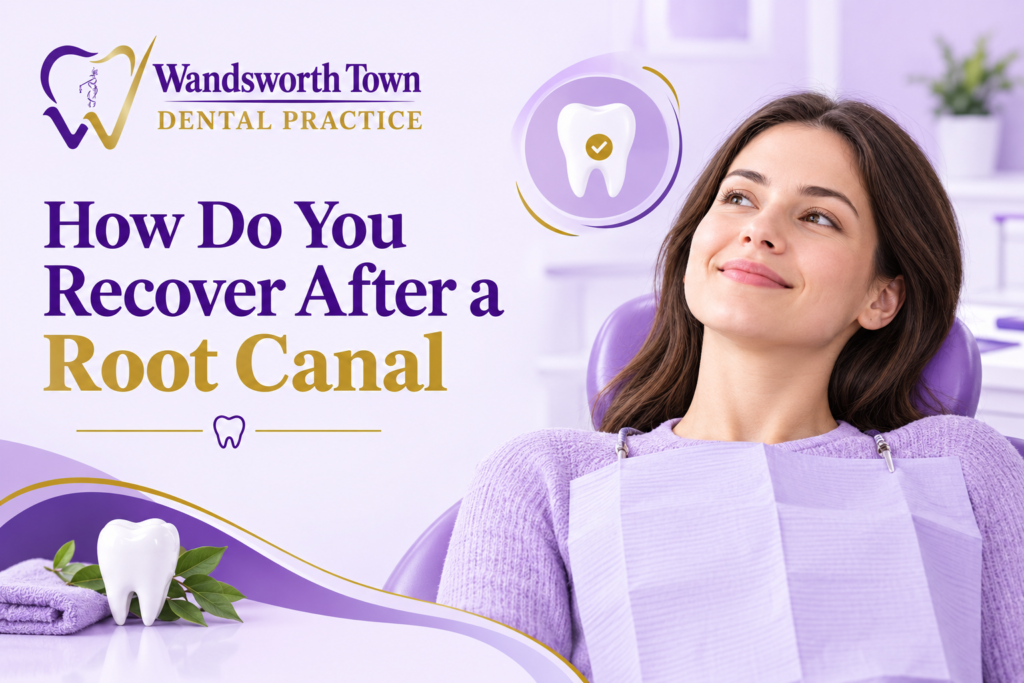
How Do You Recover After a Root Canal? A Simple Guide
A root canal can help save a damaged or infected tooth and relieve ongoing dental pain. However, it is normal to have some tenderness after the treatment.
Knowing what to expect can make your recovery feel easier and more comfortable. With good aftercare and the right advice from your dentist, most people can return to their normal routine soon after treatment.
What Happens After a Root Canal?
After a root canal, your dentist removes infected or damaged tissue from inside the tooth. They then clean, shape, and seal the root canals.
Your tooth may feel sensitive or tender for a few days after treatment. This can happen because the tissues around the tooth may remain irritated after the procedure.
Your dentist may also recommend a filling or crown to protect the treated tooth, depending on the condition and location of the tooth.
How Long Does It Take to Recover From a Root Canal?
Most people can return to their normal daily activities soon after a root canal. However, the treated tooth may feel tender for a few days.
The recovery time can vary depending on:
- The condition of the tooth before treatment
- The level of infection
- The complexity of the root canal
- The number of appointments needed
- Your overall oral health
If discomfort continues, becomes severe, or gets worse, contact your dentist for advice.
7 Helpful Tips for Root Canal Recovery
1. Follow Your Dentist’s Advice
Your dentist will give you specific instructions after treatment. Follow these carefully to support healing and protect your tooth.
If your dentist recommends a follow-up appointment, make sure you attend it.
2. Avoid Chewing Hard Foods
Your treated tooth may feel tender after the procedure. Avoid chewing hard or sticky foods on that side until your dentist says it is safe.
Soft foods can be more comfortable during the first few days.
3. Keep Your Teeth Clean
Continue brushing your teeth gently twice a day with fluoride toothpaste.
You should also clean between your teeth regularly. Be gentle around the treated area if it feels sensitive.
Good oral hygiene helps keep your mouth healthy while your tooth recovers.
4. Take Pain Relief as Advised
Some tenderness after a root canal is common. If you need pain relief, follow your dentist’s or pharmacist’s advice and the instructions on the medicine.
Do not exceed the recommended dose.
5. Avoid Putting Pressure on the Tooth
A treated tooth may need additional protection, especially if your dentist has recommended a crown.
Avoid biting very hard foods with the tooth until your dentist confirms that it can handle normal chewing.
6. Attend Your Follow-Up Appointment
A follow-up appointment allows your dentist to check the treated tooth and complete any further treatment that may be needed.
Your dentist may recommend a permanent filling or crown to help protect the tooth.
7. Look After Your Overall Oral Health
Root canal treatment removes infection from inside the affected tooth, but you still need to protect your remaining teeth.
Brush twice a day, clean between your teeth, limit sugary foods and drinks, and attend regular dental check-ups.
Is Pain Normal After a Root Canal?
Mild pain, tenderness, or sensitivity can occur after root canal treatment. This usually improves as the area settles.
However, contact your dentist if you experience severe pain, increasing swelling, fever, or symptoms that do not improve.
Your dentist can assess the tooth and recommend the appropriate treatment.
Can You Eat Normally After a Root Canal?
You can usually eat after a root canal, but your dentist may advise you to wait until the numbness wears off.
This helps prevent accidentally biting your cheek, lip, or tongue.
For the first few days, choose softer foods if the tooth feels tender. Avoid very hard, sticky, or chewy foods around the treated tooth until your dentist advises that it is safe.
When Can You Brush Your Teeth After a Root Canal?
You can generally continue your normal brushing routine after root canal treatment.
Brush gently around the treated tooth if the area feels sensitive. Continue cleaning between your teeth as part of your regular oral hygiene routine.
Your dentist may provide additional instructions based on your treatment.
How Do You Know If a Root Canal Is Healing Properly?
A treated tooth should generally become more comfortable as the area heals.
Signs that recovery is progressing can include:
- Reduced tenderness
- Less sensitivity around the tooth
- No increasing swelling
- Being able to bite comfortably once your dentist allows normal use
Every patient recovers differently. If you are concerned about your symptoms, speak with your dentist.
When Should You Contact Your Dentist?
Contact your dentist if you notice:
- Severe or worsening pain
- Swelling around the tooth or face
- Fever
- Difficulty opening your mouth
- Problems with your temporary filling
- Symptoms that continue without improvement
If you develop significant facial swelling or have difficulty breathing or swallowing, seek urgent medical attention.
Can a Root Canal Save Your Natural Tooth?
Yes. Root canal treatment is design to remove infection from inside a tooth and allow the natural tooth to remain in place.
After treatment, your dentist may recommend restoring the tooth with a filling or crown. The appropriate restoration depends on factors such as the amount of remaining tooth structure and the tooth’s location.
Keeping your natural tooth can help maintain normal chewing and the alignment of surrounding teeth.
Root Canal Recovery: What to Remember
Recovering from a root canal is usually straightforward. Some tenderness can be expect, but it should generally improve over time.
Follow your dentist’s instructions, keep your mouth clean, avoid putting unnecessary pressure on the treated tooth, and attend any recommended follow-up appointments.
If you have concerns about pain or swelling after treatment, contact your dental practice for personalised advice.
Root Canal Treatment in Wandsworth
Wandsworth Town Dental Practice provides NHS and private dental care in Wandsworth, subject to availability and clinical assessment. If you have tooth pain or have been advise that you may need root canal treatment, contact the practice to discuss your dental needs and treatment options.
Follow up Instagram and Facebook for more information.
FAQs
How long does root canal pain last?
Mild tenderness can occur for a few days after treatment. If pain becomes severe, gets worse, or does not improve, contact your dentist.
Can I go to work after a root canal?
Many people can return to their normal activities after treatment. Your dentist can advise you based on the treatment you received and how you feel.
What should I avoid after a root canal?
Avoid chewing hard or sticky foods on the treated tooth until your dentist advises that it is safe. Also follow any specific aftercare instructions provided by your dental team.
Do I need a crown after a root canal?
Not every tooth needs a crown. Your dentist will assess the tooth and recommend the most suitable restoration based on its condition, location, and remaining tooth structure.
Is it normal for a tooth to hurt after a root canal?
Some tenderness is normal after treatment. However, severe or increasing pain should be assessed by your dentist.