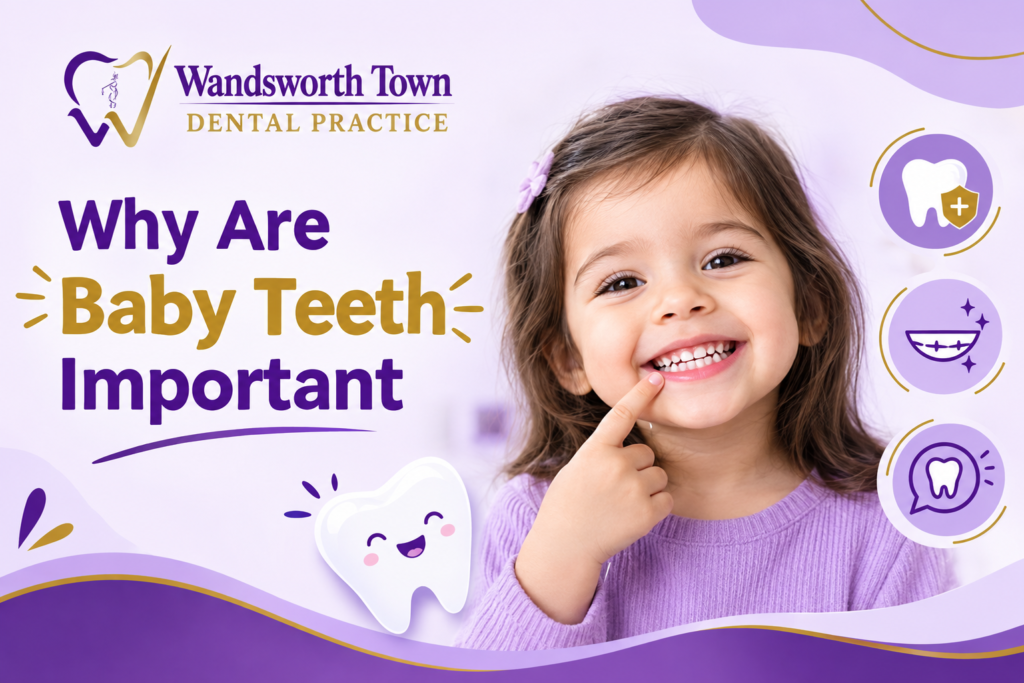
Why Are Baby Teeth Important? A Parent’s Guide to Healthy Children’s Teeth
Baby teeth, also called primary teeth, may eventually fall out, but that does not mean they are unimportant. These first teeth play a major role in your child’s eating, speaking, jaw development and future dental health.
Many parents think that cavities in baby teeth are not a serious concern because permanent teeth will replace them. However, untreated tooth decay can cause pain, infection and other dental problems.
So, why are baby teeth important? Understanding their role can help parents build good oral hygiene habits early and protect their child’s smile.
What Are Baby Teeth?
Baby teeth are the first set of teeth that develop in children. Most children have 20 primary teeth, which usually begin appearing at around six months of age.
Children generally continue getting baby teeth until around the age of three. These teeth remain in the mouth for several years before gradually becoming loose and being replace by permanent teeth.
Although baby teeth are temporary, they have important jobs during your child’s early development.
Why Are Baby Teeth Important?
Baby teeth support several essential functions. Here are some of the main reasons they should be look after carefully.
1. Baby Teeth Help Children Eat
Children need healthy teeth to bite and chew their food properly. Baby teeth help them learn how to eat a wide range of foods as they grow.
Painful or damaged teeth can make eating uncomfortable. This may affect a child’s willingness to eat certain foods.
Keeping baby teeth healthy helps children chew comfortably and supports good eating habits.
2. They Help Children Learn to Speak
Healthy teeth also contribute to speech development. Children use their tongue, lips and teeth together to make different sounds.
Missing or damage baby teeth can sometimes affect how certain sounds are produce. Looking after primary teeth can therefore support normal speech development.
3. Baby Teeth Save Space for Permanent Teeth
One of the most important functions of baby teeth is helping guide permanent teeth into the correct position.
Baby teeth hold space in the jaw for the adult teeth developing underneath them. If a baby tooth is lost too early because of severe decay or infection, nearby teeth may move into the empty space.
This can reduce the space available for the permanent tooth and may contribute to alignment problems.
4. They Support Healthy Jaw Development
Baby teeth are involve in the development of the jaw and surrounding oral structures.
Chewing and normal use of the teeth provide important stimulation as a child’s mouth develops. Maintaining healthy primary teeth can therefore support normal oral development.
5. Healthy Baby Teeth Can Support Healthy Permanent Teeth
Taking care of baby teeth helps establish good dental habits that can continue into adulthood.
Tooth decay in baby teeth can also create problems that affect the developing permanent teeth. Regular brushing and professional dental care can help reduce these risks.
What Happens If a Baby Tooth Gets a Cavity?
Tooth decay can affect children just as it affects adults. If decay is left untreat, it may become deep and cause:
- Toothache
- Sensitivity
- Difficulty eating
- Swelling
- Infection
- Problems sleeping
- Early loss of the baby tooth
A child’s toothache should not be ignored simply because the tooth is eventually going to fall out.
A dentist can assess the tooth and recommend the most appropriate treatment based on your child’s age, dental health and the condition of the tooth.
When Should Your Child Visit the Dentist?
It is a good idea to introduce your child to dental care from an early age.
Early dental visits can help your child become comfortable in the dental environment while allowing the dentist to monitor tooth development and identify potential problems.
Regular children’s dental check-ups can help detect:
- Tooth decay
- Gum problems
- Enamel concerns
- Tooth development issues
- Problems with tooth eruption
- Oral hygiene difficulties
Starting dental visits early can also help children develop a positive attitude towards looking after their teeth.
How Can Parents Protect Baby Teeth?
Good oral hygiene starts at home. Parents can help protect their child’s baby teeth with a few simple daily habits.
Brush Teeth Twice a Day
Help your child brush their teeth twice a day using an age-appropriate toothbrush and fluoride toothpaste.
Young children may need help with brushing because they may not yet have the coordination needed to clean every tooth properly.
Limit Sugary Foods and Drinks
Frequent exposure to sugar can increase the risk of tooth decay. Try to limit sugary snacks and drinks, particularly between meals.
Water is generally a good choice between meals.
Encourage Healthy Snacks
Choose tooth-friendly snacks where possible. Fresh fruit, vegetables and other nutritious options can be part of a balanced diet.
Do Not Share Toothbrushes
Each family member should have their own toothbrush. This helps maintain good hygiene and reduces the sharing of bacteria.
Make Dental Visits Routine
Regular dental appointments allow your child’s teeth and gums to be monitor as they grow. They also give parents an opportunity to ask questions about brushing, diet and oral health.
When Do Baby Teeth Fall Out?
Baby teeth usually begin to become loose when permanent teeth start developing and moving into position. This commonly begins around the age of six, although the timing varies from child to child.
The front baby teeth often fall out first, followed by other primary teeth over the following years.
It is normal for children to lose their baby teeth gradually. However, if a tooth becomes loose unusually early, or there is pain, swelling or infection, it is important to seek dental advice.
Should You Worry About a Broken or Knocked-Out Baby Tooth?
Dental injuries can happen when children are playing, running or participating in sports.
If your child damages or knocks out a baby tooth, contact a dentist for advice. Do not try to put a knocked-out baby tooth back into the socket, as this can potentially affect the developing permanent tooth.
A dental professional can assess the injury and advise you on what to do next.
Why Early Dental Care Matters
Children’s dental health is about more than keeping their teeth clean. Healthy baby teeth can support eating, speech, development and the proper eruption of permanent teeth.
Perhaps most importantly, early dental care helps children learn that looking after their teeth is a normal part of everyday life.
Parents who establish good brushing habits, limit sugary foods and arrange regular dental check-ups can give their children a strong foundation for lifelong oral health.
Children’s Dental Care in Wandsworth
If you are looking for children’s dental care in Wandsworth, regular check-ups can help monitor your child’s developing teeth and identify problems early.
At Wandsworth Town Dental Practice, parents can discuss their child’s dental health, oral hygiene routine and any concerns about baby teeth with the dental team.
Remember, baby teeth may not last forever, but they matter today. Taking care of them can help your child eat, speak, grow and develop healthy dental habits for the future.
Follow up Instagram and Facebook for more information.
FAQs About Baby Teeth
Are baby teeth really necessary if they fall out?
Yes. Baby teeth help children chew, speak and maintain space for permanent teeth. They also support normal oral development.
What age should children start seeing a dentist?
Children should begin dental visits early so their teeth can be monitor and they can become familiar with dental care.
Can baby teeth get cavities?
Yes. Baby teeth can develop tooth decay. Untreated decay may cause pain, infection and early tooth loss.
Should I brush my child's baby teeth?
Yes. Baby teeth should be brush twice a day with an age-appropriate toothbrush and fluoride toothpaste. Young children may need parental assistance.
What should I do if my child's baby tooth is damaged?
Contact a dentist for advice, particularly if there is bleeding, swelling, significant pain or damage to the tooth.
What are the main benefits of healthy baby teeth?
Healthy baby teeth help with chewing, speech, jaw development and maintaining space for permanent teeth. They also help children develop positive oral hygiene habits.